Your cart

Chronic Sinusitis and Dental Health: Understanding the Link and Oral Care Tips

Sinus Infection Tooth Pain: How They Are Linked

Sinuses are spaces in your skull. They warm and moisten the air so that they are fit for you to breathe in. The largest sinuses, called the maxillary sinuses, are above your upper molar teeth. When the maxillary sinuses are infected, they can also affect the closest areas, such as your upper molars. 

Sinusitis causes tooth pain in two ways:

  • Referred pain from sinuses, teeth, and gums share the same pain-transmitting nerves. 
  • Congestion puts pressure on the root of the upper molars, causing discomfort. 

Can Sinus Infection Cause Tooth Infection?

No, a sinus infection cannot cause tooth infection. However, a tooth infection can spread to the sinuses and cause sinusitis. Dental infections can cause 40% of chronic sinus infections.

Can Sinus Infection Cause Tooth Pain in Front Teeth?

The maxillary sinuses are above the upper molars, making them less likely to cause tooth pain in the front teeth if the sinuses are infected. We advised that you schedule an appointment with your doctor to learn more. 

How do I Know if My Toothache is a Sinus Infection? Causes and Symptoms

Sinuses produce mucus to keep the air moist and prevent the inside of your nose from drying out. If the sinuses are irritated or infected, they can swell and get congested, causing pain in the upper molars.

What are the Most Common Symptoms of Sinus Infection Tooth Pain

Together with sinusitis signs and symptoms, the most common symptom of sinusitis tooth pain is toothache on more than one adjoining upper molars. The pain is not localized on one tooth. 

Another common symptom is pain aggravated by movement. Movement like jumping up and down can aggravate sinus tooth pain. Pain can also be aggravated by bending over or lying down. The motions can cause congested sinuses to press on the roots of the molars with more force. Meanwhile, lying down can lessen the pain.

How Long Does Tooth Pain Last with Sinus Infection?

It would depend on the severity of your sinusitis. Since sinus tooth pain appears more in acute sinus infection, said symptom can last up to ten days. 

Effective Remedies to Relieve Sinus Pressure in Your Teeth

Sinusitis Home Remedies

Since the congested mucus promotes germs that cause sinusitis, the goal is to decongest. Here are remedies you can try at home:

Hydrate
Drinking fluids can help thin the mucus and promote drainage to the nasal cavity.

Warm Compress
A warm compress over the sides of the nose can warm the sinuses and loosen mucus.

Steaming
Breathing in the steam of a bowl of hot water or a hot shower can loosen mucus. The warm, moist steam can soothe irritated nasal passages and make breathing easier.

Sinus Flushing
Flushing your sinuses with warm or room-temperature saline solution can help moisturize the lining of your sinuses. It can also loosen mucus and clear nasal cavities. 

Decongestants
Decongestants can help relieve symptoms. Topical decongestants shouldn’t be used for more than seven days as they can cause symptoms to worsen. The same can happen when using decongestant nasal sprays for over three days.

Toothache Home Remedies

Cold compress
A cold compress on the painful area for 10-15 minutes several times daily can numb tooth pain. 

Over-the-counter Pain Relievers
You can take OTC pain medications such as acetaminophen or numbing gels to treat sinusitis dental pain. 

Do I Need Antibiotics for a Sinus Infection?

Since most sinus infections get better without antibiotics, antibiotics are only prescribed by the doctor if other treatments don’t work, and they suspect bacterial infections. Antibiotics are only prescribed when other medications don’t work because they can cause mild to rash side effects, from rashes to severe allergic reactions.

When to Seek Professional Dental and Sinus Care

While you may need to consult your dentist to confirm if you have sinus or dental-related tooth pain, please schedule an appointment with your doctor if you experience any of the symptoms:

  • Tooth pain that persists after the sinusitis has disappeared
  • Severe pain
  • Fever that lasts more than three days
  • Symptoms that persist for more than ten days without improvement
  • Symptoms that got better then got worse
  • Inability to eat or drink due to dental or facial pain.

If you’re looking for sinus relief or interested in learning more about sinus surgery, click the link below!

Dr. Amy Anstead

Opt for the best method: The Changing Landscape Of Challenges For Nurses

Nursing, often referred to as the heart and soul of healthcare, is a demanding profession that requires an extraordinary blend of expertise, empathy, and endurance. While the rewards can be immense, nursing staff routinely confront a range of challenges that stretch their capabilities. Understanding these challenges can pave the way for better support and interventions to empower these healthcare heroes.

  1. Physical Demands

Revitalizing the Caregivers: Preventing Burnout Among Nursing Staff

  • Nursing is physically taxing. Nurses often spend hours on their feet, lifting and assisting patients, handling medical equipment, and performing clinical tasks. This constant activity can lead to musculoskeletal injuries, fatigue, and long-term health complications.

  1. Emotional and Psychological Stress

  • Nurses are on the frontline of patient care, bearing witness to suffering, trauma, and sometimes death. These experiences can take an emotional toll. Whether it’s the loss of a patient they’ve grown close to, or dealing with a traumatic emergency case, nurses are vulnerable to feelings of grief, anxiety, and even burnout.

  1. Long and Irregular Hours

  • Hospitals operate 24/7, and someone must always be there to provide care. As a result, many nurses work long shifts, nights, weekends, and holidays. Such irregular hours can disrupt their body clocks, lead to sleep disorders, and strain personal relationships and family life.

  1. Understaffing and Overwork

  • In many healthcare settings, particularly during times of crisis or in regions with healthcare shortages, there simply aren’t enough nurses to go around. This results in increased patient loads, longer working hours, and less time for each patient. This not only increases the physical and emotional burden on nurses but can also compromise patient care.

Explore proactive measures to revive and rejuvenate nursing staff ensuring their long-term well-being and satisfaction

  1. Keeping Pace with Medical Advances

  • The world of medicine is ever-evolving. New treatments, procedures, and technologies emerge regularly. While it’s exciting to witness these advancements, it’s also a challenge for nurses to keep their knowledge and skills up-to-date. Continuous learning is essential, but finding the time and resources for ongoing education can be difficult.

  1. Interprofessional Conflicts

  • Healthcare is a team effort. However, differences in opinions and approaches between nurses, doctors, and other healthcare professionals can lead to conflicts. These disagreements can be about patient care, treatment plans, or professional boundaries. Navigating these dynamics while ensuring the best for the patient adds another layer of complexity to a nurse’s role.

  1. Safety Concerns

  • Nurses sometimes deal with aggressive or unstable patients, putting their personal safety at risk. Beyond this, they are also at the frontline when pandemics hit, exposing them to potential infections. Furthermore, handling medical equipment and drugs can also pose risks if not done correctly or if equipment is faulty.

  1. Administrative Burden

  • The modern healthcare environment requires meticulous documentation. Charting patient details, medication timings, treatment plans, and more can be time-consuming. Excessive paperwork can detract from the time and energy that nurses would rather dedicate directly to patient care.

  1. Public Perception and Valuation

  • While many recognize and appreciate the value nurses bring, some undervalue their skills and contributions, seeing them merely as aides to doctors rather than as skilled professionals in their own right. This can affect their morale and job satisfaction.

  1. Work-Life Balance

  • Given the demands of the job, many nurses find it challenging to strike a healthy work-life balance. The emotional toll of the job can sometimes bleed into personal life, and the irregular hours can conflict with family time, social events, and self-care.

While the profession of nursing is indeed a noble and rewarding one, it comes with its set of unique challenges. Addressing these challenges requires concerted efforts from healthcare institutions, policymakers, and the community at large (strategic plan). By providing nurses with the support, training, and resources they need, and by fostering a culture of respect and appreciation, we can ensure not only their well-being but also the continued delivery of outstanding patient care

How Much Do Dental Crowns Cost?

Crowns are a common dental treatment, but the cost of crowns can vary Once it is determined you need a crown, Dr. Frahm explains your  options. Ultimately, the cost of your crown depends on the materials it’s made of.  

What are dental crowns made of?

Permanent dental crowns are made from either porcelain, ceramic, base metals, composite resin, and even zirconia. Let’s break down each type and what you can expect for the cost:

Porcelain: is a non-toxic dental material that works with the body’s natural systems. Porcelain naturally adheres to your DNA, making it five times stronger than your natural teeth. Porcelain can also be perfectly matched to the exact color of your teeth. As for cost, according to Authority Dental, porcelain crowns can cost anywhere from $1,000 to $2,500.

Ceramic is a beautiful option for crowns. Their color and sheen match your tooth’s natural aesthetic. Ceramic crowns are long-lasting, making them a great option. Ceramic crowns typically cost about the same as porcelain at $1000-$2,500 per crown.  

Metals like gold, platinum or nickel are commonly used for crowns on back molars. These metals are incredibly strong and long-lasting. The downside of metal crowns are they do not match your tooth color and can cause allergic reactions in some people. Depending on the type of metal, each of these crowns can cost between $800-$2,500. 

Zirconia is the newest material being used for dental crowns. It’s a type of ceramic that offers superior strength and durability to withstand many years of wear. However, it can be difficult to match zirconia exactly to your tooth color. The cost of zirconia crowns can cost upwards of $1,000-$2,000 each. 

Composite resin crowns are a popular option since they cost less than other materials. However, resin crowns are more likely to crack and wear down. This means they will need to be replaced more frequently. Resin composite crowns average about $300. 

Please note: Depending on your location, the expertise of your dentist and lab fees, the cost for crowns and other dental treatments may differ. 

Paying for dental crowns

The prices listed above are out-of-pocket costs. Dental benefits typically cover a portion of crown costs.  One caveat to keep in mind: some insurance policies have waiting periods of one to two years before they’ll cover a crown. So, it’s always a good idea to review your dental benefits policy before treatment. 

Talk to Dr. Frahm about custom porcelain and ceramic CEREC crowns that can be fitted and placed in just one visit. If you are ready to see how quickly and beautifully custom crowns can transform your smile, click the link below!

Dr. Sarah Frahm

Managing Rhinitis During Pregnancy: Tips and Precautions

What is Pregnancy Rhinitis? 

Pregnancy rhinitis is a condition of nasal symptoms during pregnancy. The mucus linings inside the nose get inflamed due to hormonal changes as the pregnant body’s immune system adjusts to how it reacts to foreign bodies. Here are the characteristics of pregnancy rhinitis:

  • Not present before pregnancy
  • Occurs during the second or third trimester
  • Has a duration of six weeks or greater
  • Has no signs of allergy or infection in the upper airways
  • The symptoms disappear after two weeks after delivery

Continuing below,we answer the common questions of pregnant people as they experience a stuffy nose:

Is Pregnancy Rhinitis Dangerous for My Unborn Baby?

No,pregnancy rhinitis does not affect the developing fetus. But its symptoms,such as congestion,can make it difficult for the pregnant person to sleep. See our Treatment section on addressing symptoms that can affect daily living.  

What Causes Pregnancy Rhinitis? 

It is presupposed that placental growth hormone,estrogen,and progesterone cause nasal mucosa hypertrophy and inflammation.

Risk factors for developing pregnancy rhinitis are smoking and having higher immunoglobulin levels to house dust mites. 

When Does Pregnancy Rhinitis Start?

Pregnancy rhinitis commonly happens in the second or third trimesters (week 13 to the end of the pregnancy).

How Long Does Pregnancy Rhinitis Last?

Pregnancy rhinitis can last for six or more weeks. The symptoms can appear and lessen throughout that duration. It will then clear out within two weeks after delivery. 

Common Symptoms During Pregnancy: Pregnancy Rhinitis vs. Allergic Rhinitis vs. Common Cold 

Pregnancy rhinitis shares symptoms with allergic rhinitis and the common cold,such as:

  • Congestion as the primary symptom
  • Runny nose
  • Sneezing
  • Phlegm in the throat
  • Cough
  • Difficulty breathing
  • Snoring from difficulty breathing during sleep
  • Pressure in the ears
  • Altered sense of smell due to congestion

Pregnancy rhinitis doesn’t have the following symptoms that allergic rhinitis has:

  • Itchy mouth,eyes,or skin

Pregnancy rhinitis doesn’t have signs of virus infection,which common colds have:

  • Yellow or green mucus
  • Low-grade fever
  • Mild body or headaches
  • The feeling of being unwell

Safe and Effective Treatment Options 

Careful consideration is vital for the safety of both the parent and the unborn baby. Since pregnancy rhinitis will go away on its own,the goal is to manage the symptoms of congestion and difficulty sleeping for the pregnant person’s comfort.

Gentle exercise

As the body goes through hormonal changes,fluids increase and cause swelling,including in the nasal passages. Low-impact regular exercise (like walking) can encourage the drainage of fluids and regulate sleep.

Positioning

Elevating your sleeping mattress to a 45-degree promotes congestion relief. It decreases fluids pooling in the nose that disturbs sleep.

Steaming

Breathing in steam can promote the loosening of mucus in the throat. It is commonly done by sitting in front of a bowl of steaming hot water and bending over it with a towel draped over the head. But it can also be done by closing the shower area and turning on the hot shower for those who have difficulty bending over while sitting. 

Saline Nasal Lavage

Nasal irrigation or lavage involves emptying the clog into a nostril with saline solution from a neti pot,bulb syringe,or squeezable rinse bottle. The saline solution can be premade or made from salt and sterile water (water boiled for a minute and allowed to cool).

Nasal Valve Dilators

Over-the-counter nasal valve dilators open the nasal passageways so that people with poor nasal breathing can improve airflow and sleep with less snoring. They are called internal nasal dilators because they are inserted inside the nose to open the nostrils. Choose nasal dilators made of medical-grade silicon as they are easy to clean and anti-bacterial.

Drug Use and Precautions for Pregnancy Rhinitis

If conservative treatment doesn’t work,your doctor may consider drug treatment. Medication is used depending on the severity of the pregnant person’s symptoms. Always check with your doctor or pharmacist before taking any medicine while pregnant.

Puget Sound Sinus Center: Your Partner in Pregnancy Rhinitis Care 

Pregnancy rhinitis congests your nose and causes difficulty in sleeping. The symptoms can be managed with conservative treatment to make you comfortable. If you have symptoms of allergic rhinitis or a common cold,please do not hesitate to schedule an appointment with your doctor. Here at Puget Sound Sinus Center,we ensure holistic and patient-centered care for better health.

Find Relief from Pregnancy Rhinitis

Why Choose Custom Jewelry in 2023?

Custom jewelry reflects your personality more than ready-made pieces. Your design can show your attitude,allegiance,and style without being overstated. The aim is to use custom jewelry design Myrtle Beach to manifest your ideas in a physical form. At the same time,you have a fantastic piece of adornment for daily use and special occasions. Custom jewelry is also a wonderful expression of affection for family and your significant others as a gift.

Online and offline jewelry makers are responding to the demand for custom jewelry by offering that option to clients. You can provide your own design or choose from some ready designs you can modify. 

You can also commission the jewelry maker to provide you with studies. They will take down your requirements and identify your needs to ensure the product will be a perfect fit. 

Suppose you want to give your mom a gift for her 60th birthday. The jeweler may ask for her birth month so they can suggest the appropriate stones. They may ask for a photograph to match the materials to their coloring better. You might mention that she never wears dangling earrings because she has a short neck and prefers platinum to gold. 

Jewelry comes in many types,from rings to necklaces,and in various materials. Perhaps you want a bracelet reflecting indigenous culture,so the jeweler may suggest beads instead of metal and stones. On the other hand,you may wish to have an engagement and wedding ring set using titanium and diamonds. 

Whatever you want,you can get from Prinz Jewelers without a problem. All you need to do is teach out for a consultation so they can start working on your custom jewelry.

Managing Rhinitis During Pregnancy: Tips and Precautions

What is Pregnancy Rhinitis? 

Pregnancy rhinitis is a condition of nasal symptoms during pregnancy. The mucus linings inside the nose get inflamed due to hormonal changes as the pregnant body’s immune system adjusts to how it reacts to foreign bodies. Here are the characteristics of pregnancy rhinitis:

  • Not present before pregnancy
  • Occurs during the second or third trimester
  • Has a duration of six weeks or greater
  • Has no signs of allergy or infection in the upper airways
  • The symptoms disappear after two weeks after delivery

Continuing below, we answer the common questions of pregnant people as they experience a stuffy nose:

Is Pregnancy Rhinitis Dangerous for My Unborn Baby?

No, pregnancy rhinitis does not affect the developing fetus. But its symptoms, such as congestion, can make it difficult for the pregnant person to sleep. See our Treatment section on addressing symptoms that can affect daily living.  

What Causes Pregnancy Rhinitis? 

It is presupposed that placental growth hormone, estrogen, and progesterone cause nasal mucosa hypertrophy and inflammation.

Risk factors for developing pregnancy rhinitis are smoking and having higher immunoglobulin levels to house dust mites. 

When Does Pregnancy Rhinitis Start?

Pregnancy rhinitis commonly happens in the second or third trimesters (week 13 to the end of the pregnancy).

How Long Does Pregnancy Rhinitis Last?

Pregnancy rhinitis can last for six or more weeks. The symptoms can appear and lessen throughout that duration. It will then clear out within two weeks after delivery. 

Common Symptoms During Pregnancy: Pregnancy Rhinitis vs. Allergic Rhinitis vs. Common Cold 

Pregnancy rhinitis shares symptoms with allergic rhinitis and the common cold, such as:

  • Congestion as the primary symptom
  • Runny nose
  • Sneezing
  • Phlegm in the throat
  • Cough
  • Difficulty breathing
  • Snoring from difficulty breathing during sleep
  • Pressure in the ears
  • Altered sense of smell due to congestion

Pregnancy rhinitis doesn’t have the following symptoms that allergic rhinitis has:

  • Itchy mouth, eyes, or skin

Pregnancy rhinitis doesn’t have signs of virus infection, which common colds have:

  • Yellow or green mucus
  • Low-grade fever
  • Mild body or headaches
  • The feeling of being unwell

Safe and Effective Treatment Options 

Careful consideration is vital for the safety of both the parent and the unborn baby. Since pregnancy rhinitis will go away on its own, the goal is to manage the symptoms of congestion and difficulty sleeping for the pregnant person’s comfort.

Gentle exercise

As the body goes through hormonal changes, fluids increase and cause swelling, including in the nasal passages. Low-impact regular exercise (like walking) can encourage the drainage of fluids and regulate sleep.

Positioning

Elevating your sleeping mattress to a 45-degree promotes congestion relief. It decreases fluids pooling in the nose that disturbs sleep.

Steaming

Breathing in steam can promote the loosening of mucus in the throat. It is commonly done by sitting in front of a bowl of steaming hot water and bending over it with a towel draped over the head. But it can also be done by closing the shower area and turning on the hot shower for those who have difficulty bending over while sitting. 

Saline Nasal Lavage

Nasal irrigation or lavage involves emptying the clog into a nostril with saline solution from a neti pot, bulb syringe, or squeezable rinse bottle. The saline solution can be premade or made from salt and sterile water (water boiled for a minute and allowed to cool).

Nasal Valve Dilators

Over-the-counter nasal valve dilators open the nasal passageways so that people with poor nasal breathing can improve airflow and sleep with less snoring. They are called internal nasal dilators because they are inserted inside the nose to open the nostrils. Choose nasal dilators made of medical-grade silicon as they are easy to clean and anti-bacterial.

Drug Use and Precautions for Pregnancy Rhinitis

If conservative treatment doesn’t work, your doctor may consider drug treatment. Medication is used depending on the severity of the pregnant person’s symptoms. Always check with your doctor or pharmacist before taking any medicine while pregnant.

Puget Sound Sinus Center: Your Partner in Pregnancy Rhinitis Care 

Pregnancy rhinitis congests your nose and causes difficulty in sleeping. The symptoms can be managed with conservative treatment to make you comfortable. If you have symptoms of allergic rhinitis or a common cold, please do not hesitate to schedule an appointment with your doctor. Here at Puget Sound Sinus Center, we ensure holistic and patient-centered care for better health.

Find Relief from Pregnancy Rhinitis

Understanding Deviated Septum: Causes, Symptoms, and Diagnosis

What is a Deviated Septum?

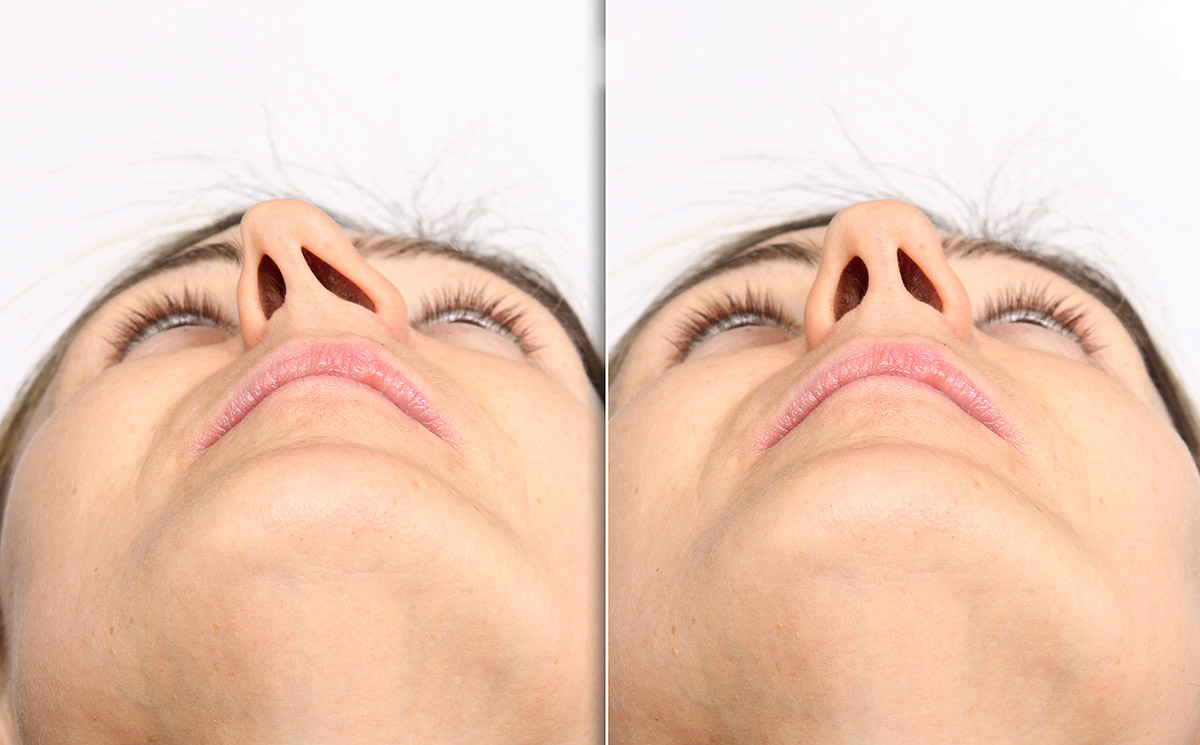
A septum in a deviated septum is the nasal septum or cartilage that divides the inside of your nose into the left and right chambers. 

When the septum deviates from its midline, it causes congestion and difficulty breathing in the smaller chamber. It also causes drying, crusting, or bleeding in the larger chamber.

Common Causes of Deviated Septum

Most people have deviated septums that cause no to minor symptoms. However, there are causes of deviated septums that can cause significant symptoms. The following causes are:

Congenital

The deviated septum can have developmental causes. It can occur at birth due to genetic factors such as hereditary connective tissue diseases.  

Nose Injury

The deviated septum can also come from traumatic causes. An injury can cause the nasal septum to be displaced to either side. It can happen due to falls, fights, contact sports, automobile incidents, or rough playing. Nasal injuries can also occur in babies due to difficult childbirth. 

Aging

A deviated septum is a common condition. As a person grows, the nasal septum can grow to one side than the other. 

Recognizing Deviated Septum Symptoms

A deviated septum can have severe symptoms affecting a person’s everyday life.

The wider chamber of the nose, caused by a deviated septum, is more exposed to air. This exposure can lead to nasal drying, leading to nose bleeds. 

The more constricted chamber, caused by a deviated septum, can result in nasal congestion. The following complications occur with nasal congestion:

  • Recurring sinus infections or sinusitis
  • Sinus pressure
  • Headaches
  • Face pain
  • Noisy breathing
  • Snoring
  • Sleep apnea or difficulty breathing during sleep
  • Difficulty breathing
  • Difficulty breathing can lead to chronic mouth breathing
  • Chronic mouth breathing can lead to a dry mouth

When Should You See a Doctor?

If your symptoms above do not respond to home remedies or over-the-counter medication, you may want to see a doctor to be healthier and live more comfortably. Furthermore, symptoms such as chronic nasal congestion, recurring sinus infections, and frequent nosebleeds require medical consultation.

Diagnosing a Deviated Septum

To diagnose if a person has a deviated septum, your healthcare provider will review your medical history and do a physical examination. If further examination is needed, they may do the following procedures:

Nasal Endoscopy

First, they apply a decongestant spray with lidocaine to prepare your nasal cavity. Lidocaine helps the patient’s comfort with its numbing properties alongside topical anesthesia.

Then, they will use an extended tube scope attached with a bright light and a small camera to look inside. The tube would be connected to a monitor screen.

At the end of the procedure, they will remove the tube and apply a decongestant spray to the nasal cavity again.

CT Scan

If needed, your healthcare provider may recommend a CT scan of the nose. The imaging test can determine the seriousness of the deviated septum and the severity of the symptoms.

After the diagnosis, you may be referred to a sinus surgeon or an ENT specialist. 

How Sinus Surgery Can Help Correct a Deviated Septum

If medical therapy does not alleviate the symptoms you’re experiencing, surgery to correct the deviated septum can be recommended.

Septoplasty involves repositioning and aligning the nasal septum to the center of the nose. With nasal septum correction, the patient can benefit by having proper airflow inside the nasal cavity to alleviate symptoms. 

Depending on the severity of the condition, the surgery can be an outpatient or inpatient procedure that lasts 1-2 hours. In some cases, a surgeon may recommend sinus surgery to minimize sinus infections or rhinoplasty to reshape the nose.

Expert Care and Surgical Solutions at Puget Sound Sinus Center

If you are experiencing chronic sinus disease or nasal obstruction, your healthcare provider may refer you to a sinus surgeon. As the only Fellowship-trained Rhinologist and Endoscopic Skull Base Surgeon worldwide, Amy Anstead, MD, FARS, provides surgical solutions and state-of-the-art techniques to alleviate severe symptoms people experience from deviated septums. 

At Puget Sound Sinus Center, we aim to provide personalized, holistic, patient-centered care for maximum comfort and healing.

A deviated septum can cause a domino effect of symptoms that can interfere with your breathing, sleeping, and health. Having performed thousands of successful complex sinus surgeries, Dr. Anstead has treated patients to a better quality of life around the globe. If you’d like to learn more about deviated septums or other sino-nasal surgeries, click the link below! 

Explore Sinus Surgeries

How To Remember Erikson Stages

Originally published in 1950,Erikson’s Theory of Psychosocial Development outlined eight stages that Erikson Stages a healthy person passes through. Each stage is characterized by a crisis that either causes or destroys personality. The theory is based upon Freud’s psychosexual stages,and incorporates societal influences. Though it has been attacked because of its broad definitions,it is still an essential part of the psychological process. It has also been useful in reconceptualizing the way we see the middle and later adulthood as times of personal development,rather than a period to be survived.

The first stage of infancy and lasts for about 18 months. At this point when the baby is totally dependent on the caregiver. They gain trust through seeing the caregiver’s response to their needs,such as feeding or giving comfort. This stage is critical for the development of their self-esteem and feeling of security.

The stage of toddlerhood is Erikson’s second stage of psychosocial growth and runs from 18 months to 2 years. This is the time when the child’s independence develops. The outcome of success or failure during this period will have a an enormous influence on the development of their personality. If a child is not able to overcome the feelings of doubt or shame during this period,they’ll endure the struggle throughout their life. If a child is able to succeed in this phase,they can form intimate friendships later on in their lives.

The third phase of Erikson’s theory is called preschool that takes place between the ages of 3 and 5. In this age range children are beginning to interact with others and are developing a sense of self-confidence. Teachers and parents must foster positive relationships with children during this stage. Positive interactions promote the children’s independence and provide guidance and support. Negative behavior,such as criticism or indifference,can hurt a child’s confidence,as well as self-esteem.

The fourth step in Erikson’s theories is elementary school which is between the age of 6 and 12. It is during this time that children begin to feel pressure from other people including teachers and classmates. At this point,that children begin to gain a sense of business or the ability to achieve goals and accomplishments. Teachers who praise and encourage their students can help them develop a sense of competence as they don’t find it necessary to judge their performance against others.

As they reach middle age most people begin to consider their mortality. There is also an underlying regret over things they didn’t do or didn’t accomplish. Anyone who is able to overcome the issues of this phase is likely to have a happy and rich retirement. If they fail to resolve these issues they could experience the onset of a midlife crisis that can cause severe mental health issues.

Breaking the mold: Pushing Boundaries: A Comprehensive Exploration Of Nursing’s Hurdles.

Nursing, often referred to as the heart and soul of healthcare, is a demanding profession that requires an extraordinary blend of expertise, empathy, and endurance. While the rewards can be immense, nursing staff routinely confront a range of challenges that stretch their capabilities. Understanding these challenges can pave the way for better support and interventions to empower these healthcare heroes.

  1. Physical Demands

Cultivate a supportive environment that prevents burnout -see Weeveai.com

  • Nursing is physically taxing. Nurses often spend hours on their feet, lifting and assisting patients, handling medical equipment, and performing clinical tasks. This constant activity can lead to musculoskeletal injuries, fatigue, and long-term health complications.

  1. Emotional and Psychological Stress

  • Nurses are on the frontline of patient care, bearing witness to suffering, trauma, and sometimes death. These experiences can take an emotional toll. Whether it’s the loss of a patient they’ve grown close to, or dealing with a traumatic emergency case, nurses are vulnerable to feelings of grief, anxiety, and even burnout.

  1. Long and Irregular Hours

  • Hospitals operate 24/7, and someone must always be there to provide care. As a result, many nurses work long shifts, nights, weekends, and holidays. Such irregular hours can disrupt their body clocks, lead to sleep disorders, and strain personal relationships and family life.

  1. Understaffing and Overwork

  • In many healthcare settings, particularly during times of crisis or in regions with healthcare shortages, there simply aren’t enough nurses to go around. This results in increased patient loads, longer working hours, and less time for each patient. This not only increases the physical and emotional burden on nurses but can also compromise patient care.

Weeveai.com: Prevent Nursing Staff Burnout

  1. Keeping Pace with Medical Advances

  • The world of medicine is ever-evolving. New treatments, procedures, and technologies emerge regularly. While it’s exciting to witness these advancements, it’s also a challenge for nurses to keep their knowledge and skills up-to-date. Continuous learning is essential, but finding the time and resources for ongoing education can be difficult.

  1. Interprofessional Conflicts

  • Healthcare is a team effort. However, differences in opinions and approaches between nurses, doctors, and other healthcare professionals can lead to conflicts. These disagreements can be about patient care, treatment plans, or professional boundaries. Navigating these dynamics while ensuring the best for the patient adds another layer of complexity to a nurse’s role.

  1. Safety Concerns

  • Nurses sometimes deal with aggressive or unstable patients, putting their personal safety at risk. Beyond this, they are also at the frontline when pandemics hit, exposing them to potential infections. Furthermore, handling medical equipment and drugs can also pose risks if not done correctly or if equipment is faulty.

  1. Administrative Burden

  • The modern healthcare environment requires meticulous documentation. Charting patient details, medication timings, treatment plans, and more can be time-consuming. Excessive paperwork can detract from the time and energy that nurses would rather dedicate directly to patient care.

  1. Public Perception and Valuation

  • While many recognize and appreciate the value nurses bring, some undervalue their skills and contributions, seeing them merely as aides to doctors rather than as skilled professionals in their own right. This can affect their morale and job satisfaction.

  1. Work-Life Balance

  • Given the demands of the job, many nurses find it challenging to strike a healthy work-life balance. The emotional toll of the job can sometimes bleed into personal life, and the irregular hours can conflict with family time, social events, and self-care.

While the profession of nursing is indeed a noble and rewarding one, it comes with its set of unique challenges. Addressing these challenges requires concerted efforts from healthcare institutions, policymakers, and the community at large (business plan). By providing nurses with the support, training, and resources they need, and by fostering a culture of respect and appreciation, we can ensure not only their well-being but also the continued delivery of outstanding patient care

Unveiling the 3 Different Bite Types and What You Need to Know! | iSmile Orthodontics

In the mysterious world of dentistry,the way our teeth come together,or ‘occlude’,is more than just an afterthought. Understanding the types of Underbite is crucial,not just for dental professionals but also for us,the patients,as they can have massive implications on our overall oral health. Let’s journey into the fascinating realm of bite types and unravel the intricacies of our dentition.

The 3 Types of Bite Explained

An essential aspect of oral health is understanding the different types of bites,the main ones being dental bites. Not only do these bite types impact aesthetics,but they may also influence oral functions such as chewing,speaking,and even breathing. Identifying the type of bite you have can help in recognizing any potential issues and seeking necessary dental treatment. 

  1. Underbite: An underbite is characterized by the lower teeth protruding in front of the upper teeth when the jaw is closed. This misalignment can lead to difficulties in speaking and eating,and cause wear and tear on the teeth. In severe cases,underbite may alter the facial structure,giving the face a “bulldog” appearance.
  2. Overbite: Opposite to an underbite is an overbite,where the upper teeth overlap the lower teeth. While a small overbite is common and can even be beneficial for tooth wear,a significant overlap may cause jaw pain,increased tooth decay,and difficulties in speech. It may also alter the facial appearance,often making the chin seem less pronounced.
  3. Crossbite: A crossbite occurs when some upper teeth sit inside the lower teeth instead of outside. It can be on one side of the mouth (unilateral) or both (bilateral),and can affect the front (anterior) or back (posterior) teeth. This misalignment can lead to uneven tooth wear,gum disease,and bone loss. It can also cause asymmetrical facial growth if left untreated.


What are the Causes of Underbite,Overbite,and Crossbite

The root causes of underbite,overbite,and crossbite are often traced back to genetics,although certain behaviors during early childhood can also play a role. A person might inherit jaw structure leading to a specific bite from their parents. For instance,if a parent has an overbite,there is a higher probability that the child will also have an overbite. Additionally,environmental factors such as thumb sucking,prolonged bottle feeding,or the use of a pacifier beyond the age of 3 years can contribute to the development of these bite types. These behaviors can put pressure on the teeth and jawbone,leading to a shift in alignment over time.

Regarding the treatment for these misalignments,the options typically depend on the severity of the condition. Mild cases of overbite,underbite,and crossbite may be corrected with iSmile Orthodontics. These orthodontic devices can gradually move the teeth to their proper positions over time. In more severe cases,surgery may be required to adjust the jawbone. It’s crucial to consult with a dental professional if you suspect you or your child may have one of these conditions. Early diagnosis and treatment can prevent complications such as speech difficulties,eating problems,and facial deformities.


What You Can Do About It

Early detection of dental misalignments can make a significant difference in the course of treatment. Regular Underbite are a crucial part of this process as they allow your dentist to monitor your oral health thoroughly. They can identify any signs of underbite,overbite,or crossbite and recommend appropriate steps for treatment before the condition worsens. Dental X-rays,in particular,can be invaluable in this aspect,allowing the dental professional to examine the positioning of your teeth and jaw in detail.

To prevent these conditions,especially in children,it’s beneficial to break habits like thumb-sucking and prolonged pacifier use. Encouraging children to stop these habits after age 3 can potentially prevent or reduce the severity of dental issues. While genetic factors play a significant role,maintaining good oral hygiene,a balanced diet,and regular dental visits can help manage and mitigate the effects of dental misalignments.

If you’re looking for experienced professionals to help diagnose or treat underbites,overbites,or crossbites,Overbiteis the place to go. With a team of highly skilled orthodontists,iSmile Orthodontics is committed to delivering personalized orthodontic care in a comfortable and patient-centered environment. 

How Long Does Meth Stay In Your System?

Factors Affecting Methamphetamine Detection Time

Various factors can influence the detection time of methamphetamine in an individual’s system. One such factor is the frequency and amount of drug usage; a person who consumes larger quantities or uses meth more frequently will have a longer detection time than someone with occasional or lower dose usage. Additionally, individual metabolism rates significantly affect how quickly the body processes and eliminates substances like methamphetamine. Factors such as age, weight, overall health, and genetic makeup can all contribute to variations in metabolism rates.

Another aspect that affects methamphetamine detection times is the type of test being conducted. Different testing methods possess varying levels of sensitivity and specificity for detecting drugs within specific windows of time after consumption. For instance, urine tests are commonly used due to their affordability and ease of administration. Still, they may only detect meth use within 3-5 days post-ingestion, depending on individual factors previously mentioned. On the other hand, hair tests offer a much broader window for detecting substance use – up to 90 days following ingestion – but may be less reliable for determining recent usage.

It is essential to consider these factors when interpreting results from drug screenings or assessing an individual’s likelihood of testing positive for methamphetamine use. Understanding how various elements impact detection times can help provide context around potential false positives or negatives during testing procedures while also highlighting the importance of considering multiple sources when evaluating suspected drug abuse cases.

Testing Methods for Identifying Meth in the Body


Several testing methods are available for identifying the presence of methamphetamine in an individual’s body. The most common methods include urine, blood, hair, and saliva tests. Each method has its own advantages and disadvantages regarding accuracy, detection window, and invasiveness.

Urine testing is often considered the gold standard in drug testing due to its relatively low cost, ease of administration, and ability to detect recent drug use. Methamphetamine can typically be detected in urine within 2-5 hours after ingestion and may remain detectable for up to 3-7 days, depending on factors such as dosage, frequency of use, metabolism rate, and hydration levels. Blood tests offer a shorter detection window than urine tests but provide more accurate results regarding current intoxication levels. However, they are more invasive than other methods since they require blood from the tested person.

Hair testing offers a much longer detection window than other methods; methamphetamine can be detected in hair follicles for up to three months after last use. This makes it particularly useful for determining long-term drug abuse patterns or ensuring compliance with treatment programs over time. Saliva testing is less invasive than blood or urine sampling but has a shorter detection period – usually only detecting methamphetamine within 24-48 hours after consumption. Regardless of which method is chosen by professionals conducting drug screenings or investigations into substance abuse issues involving methamphetamines, understanding these various techniques will help ensure accurate results while minimizing discomfort experienced by those undergoing such procedures.

Impact of Meth Use on Physical and Mental Health

Methamphetamine, commonly known as meth, is a highly addictive stimulant drug severely affects an individual’s physical and mental health. Prolonged use of meth can lead to significant changes in the brain’s structure and function, resulting in cognitive impairments such as memory loss, difficulty concentrating, and poor decision-making skills. Additionally, chronic meth users may experience extreme mood swings, anxiety disorders, paranoia, or hallucinations due to alterations in neurotransmitter levels.

Physically, meth abuse takes a heavy toll on the body by causing damage to vital organs like the heart and liver. Long-term use can lead to increased heart rate and blood pressure, which strains the cardiovascular system; this may result in heart attacks or strokes. Furthermore, weight loss from suppressed appetite is common among meth users, leading to malnutrition-related issues, including weakened immune systems and susceptibility to infections. Skin sores caused by excessive scratching due to feelings of bugs crawling under their skin are also prevalent among those who regularly consume this drug.

Beyond these immediate health concerns associated with chronic meth use lies a range of long-lasting effects that persist even after cessation of drug consumption. For instance, studies have shown that former addicts often exhibit reduced gray matter volume in certain areas of their brains compared with non-users – suggesting irreversible neurological damage inflicted by prolonged exposure to this toxic substance. Moreover, recovering individuals might face challenges when trying to reintegrate into society due to their compromised cognitive abilities and the potential stigma surrounding addiction history – further exacerbating any existing mental health struggles they may face during the recovery process.